

Optimizing Stair Storage Cabinets with Bottom Mount Drawer Slides
Stair storage cabinets place higher demands on drawer hardware due to limited space, angled structures, and frequent use. Bottom mount drawer slides designed for heavy loads offer strong support, stable movement, and a clean appearance by keeping hardware hidden beneath the drawer.
This installation tutorial focuses on bottom mount drawer slides used in stair storage cabinets and explains how to achieve smooth operation and long term reliability.
Understanding Bottom Mount Drawer Slides
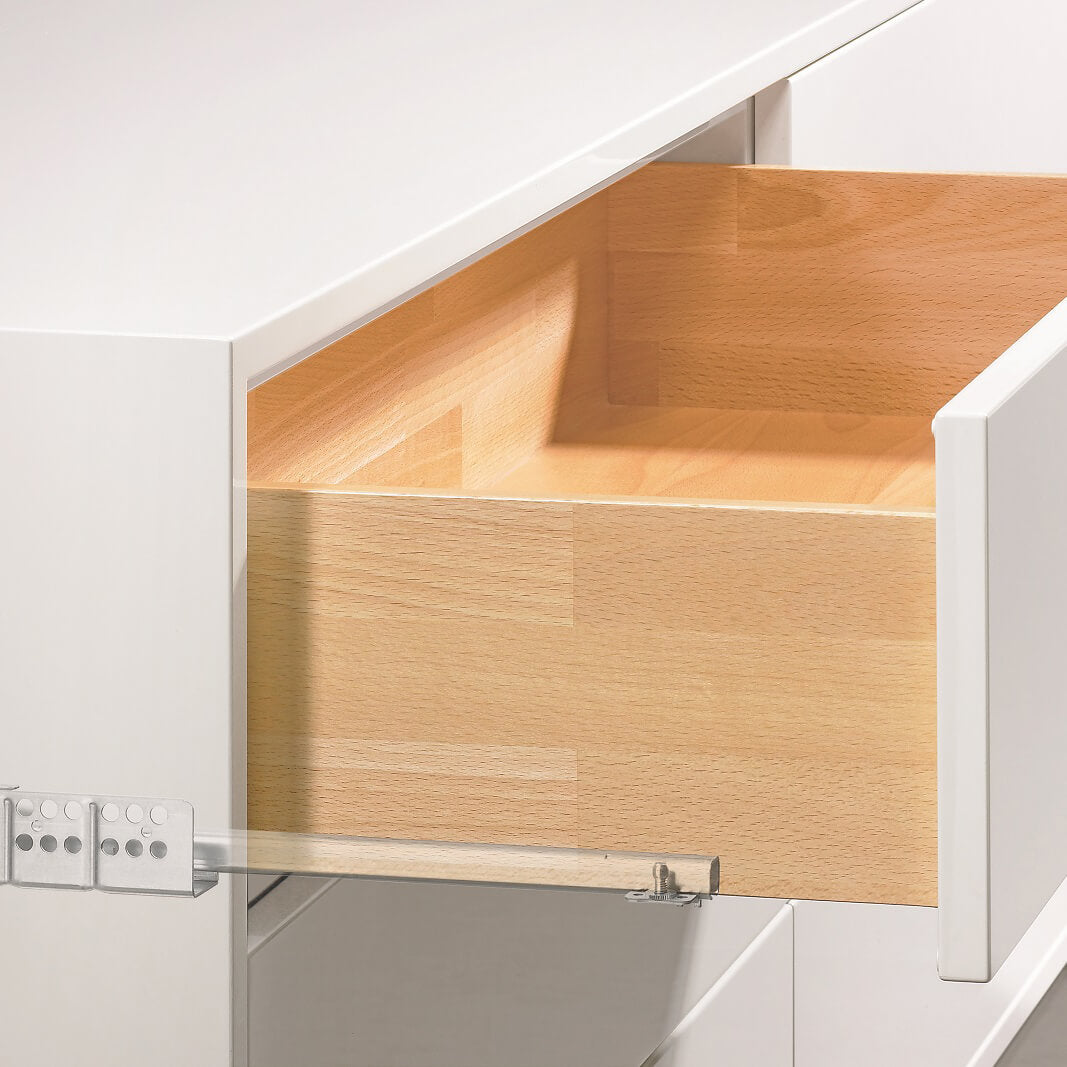
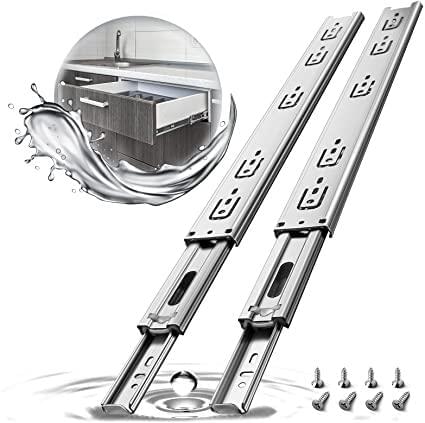
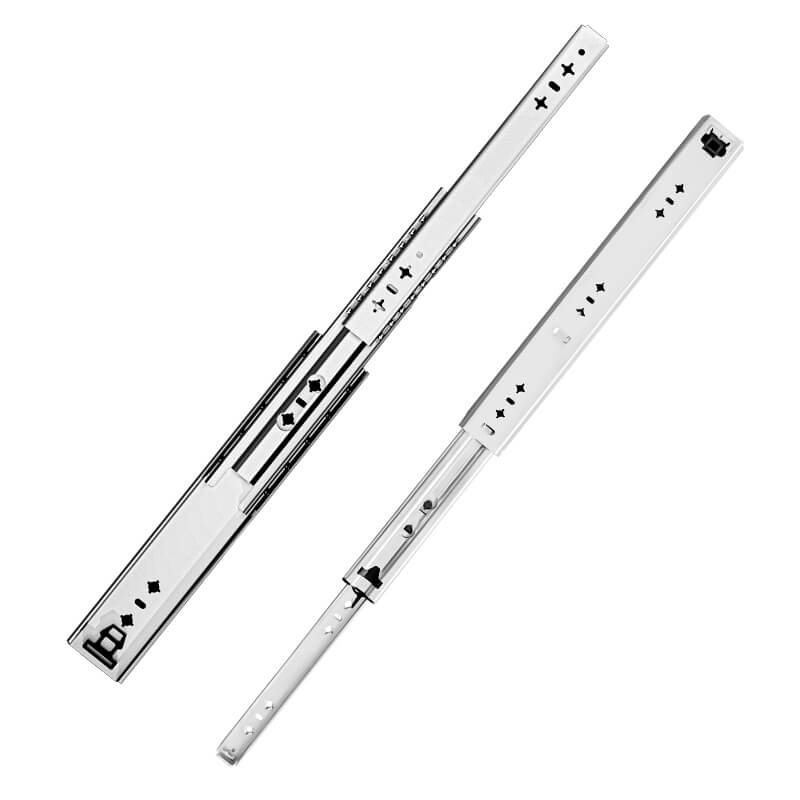
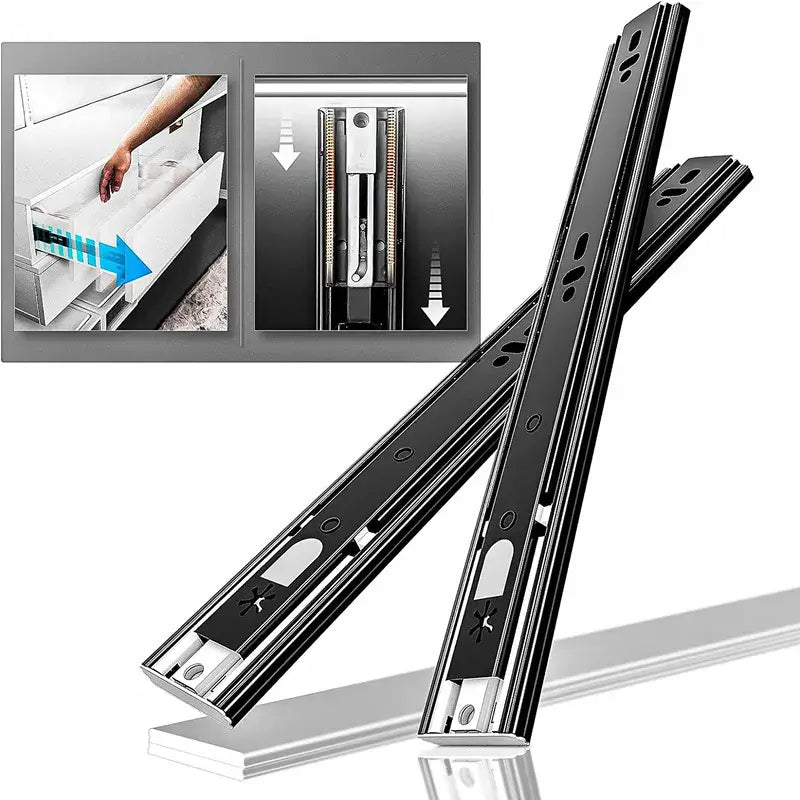
Bottom mount drawer slides are installed beneath the drawer box rather than on the sides. This design improves load distribution and keeps the slide mechanism out of sight, which is ideal for built in stair storage cabinets where appearance and stability are both important.
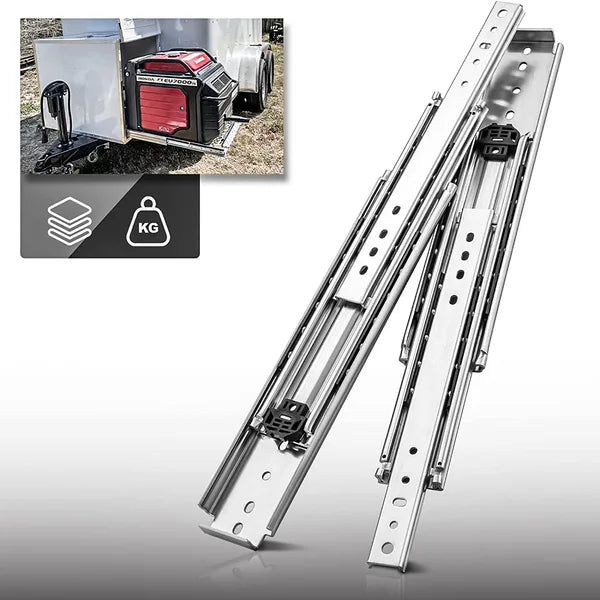
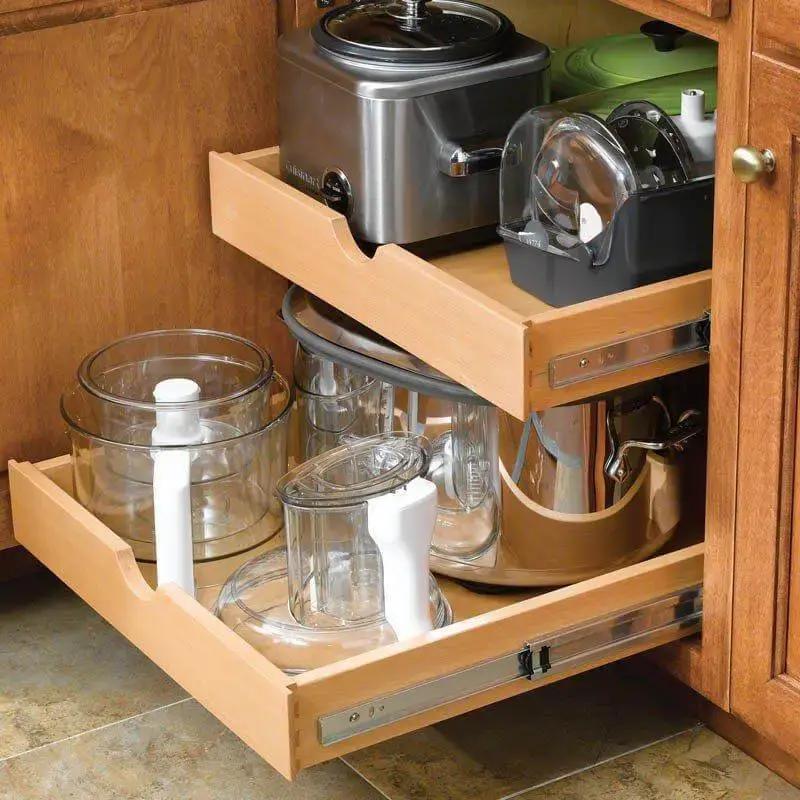
With a high load capacity, these slides can support heavier drawers often used for shoes, tools, or household storage under stairs.
Why Bottom Mount Slides Work Well for Stair Cabinets
Stair storage cabinets often have unique dimensions and uneven internal structures. Bottom mount slides are suitable because:
They provide strong vertical load support
They improve drawer stability under heavy weight
They remain hidden for a cleaner cabinet interior
They reduce side space requirements
These advantages make them a practical choice for compact stair storage designs.
Preparation Before Installation
Proper preparation helps avoid alignment issues later.
Measure cabinet depth and drawer length accurately
Ensure the cabinet base is flat and structurally solid
Confirm the drawer box bottom is reinforced
Check that the drawer box is square
Because bottom mount slides rely on the cabinet base, surface flatness is especially important.
Step by Step Installation Process
Attach the cabinet rail components securely to the cabinet base, keeping them parallel and evenly spaced.
Mount the drawer rail components to the bottom of the drawer box, ensuring correct front to back positioning.
Carefully place the drawer onto the cabinet rails and slide it into position.
Test the drawer by opening and closing it several times to confirm smooth movement and full extension.
Adjustment Tips for Smooth Operation
If the drawer feels tight or uneven, recheck rail spacing and alignment.
If the drawer does not extend fully, verify slide positioning at the rear.
If movement feels unstable, confirm all mounting screws are tightened securely.
Minor adjustments can significantly improve performance.
Common Installation Mistakes
Uneven cabinet base surface
Drawer box bottom not reinforced
Incorrect rail spacing
Misaligned front positioning
Avoiding these issues ensures smooth and stable drawer operation.
Maintenance Recommendations
Keep the slide tracks free of dust and debris
Periodically inspect mounting screws
Avoid exceeding the recommended load capacity
Routine maintenance helps extend service life and preserves smooth movement.
Final Notes
Bottom mount drawer slides are an effective solution for stair storage cabinets that require strong load support and discreet installation. With accurate measurement, careful mounting, and proper adjustment, these slides deliver reliable performance and smooth full extension access in compact under stair storage applications.