

The Smart Way to Build Heavy Duty Stair Storage Drawers
Stair storage cabinets are a smart solution for making use of unused space, but they place special demands on drawer hardware. Drawers installed under stairs are often deep, heavily loaded, and positioned at unusual angles. Using the wrong type of drawer slide can lead to poor movement, instability, and long term damage.
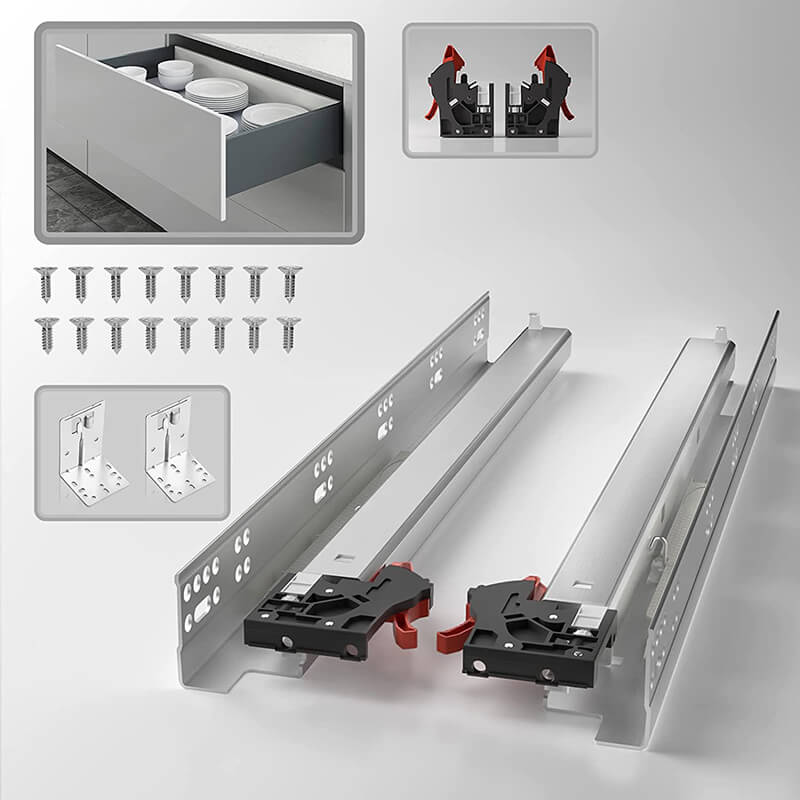
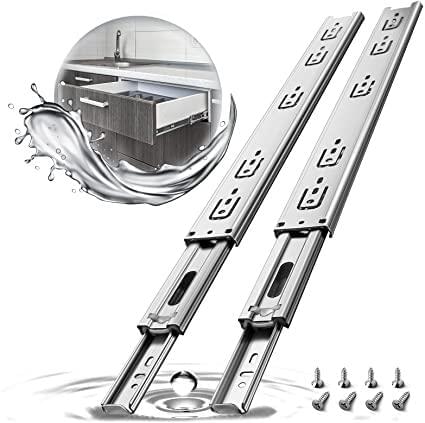
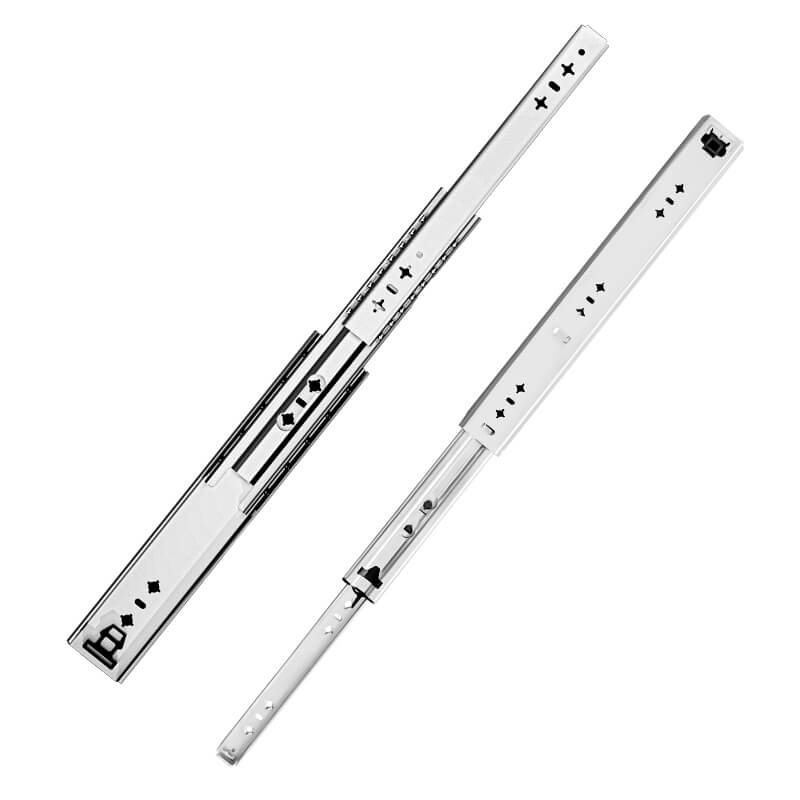
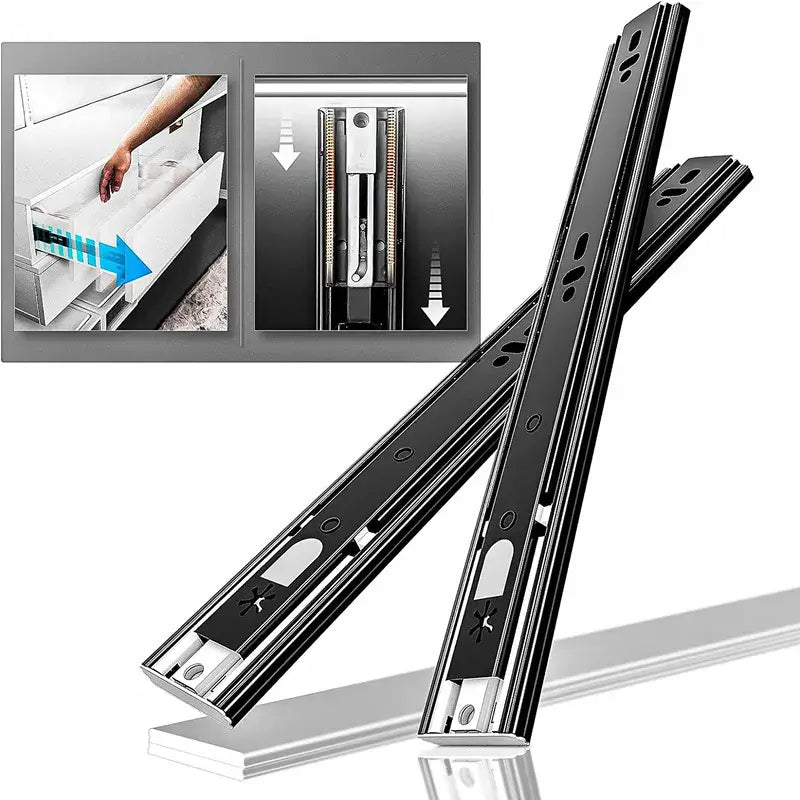
Bottom mount drawer slides with a high load capacity are commonly used in stair storage cabinets because they provide strong support, improved stability, and a cleaner appearance. This tutorial explains how bottom mount drawer slides work, why they are suitable for stair storage, and how to install them correctly.
Why Bottom Mount Drawer Slides Are Ideal for Stair Storage
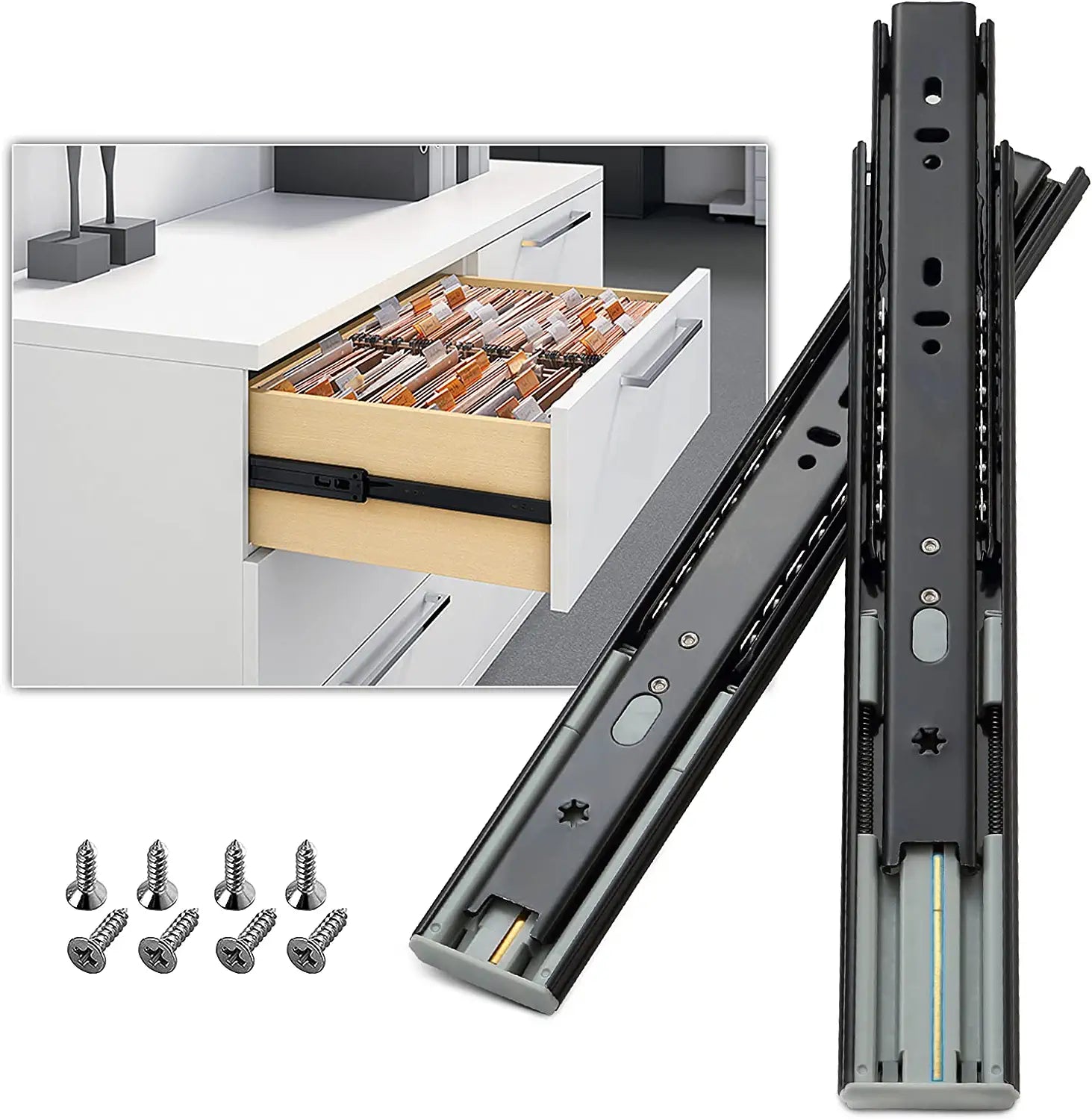
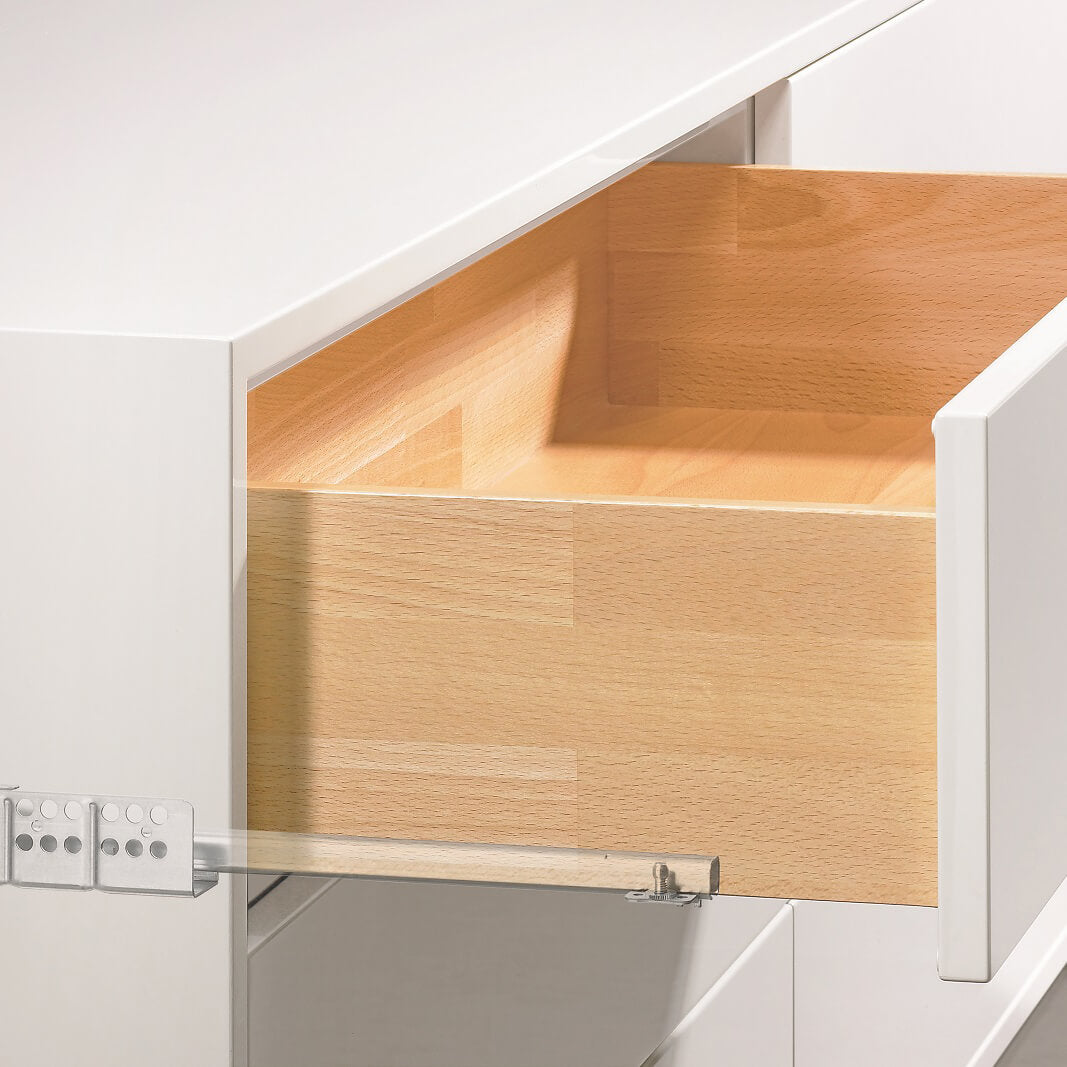
Bottom mount drawer slides are installed beneath the drawer rather than on the sides. This design offers several advantages for stair storage cabinets.
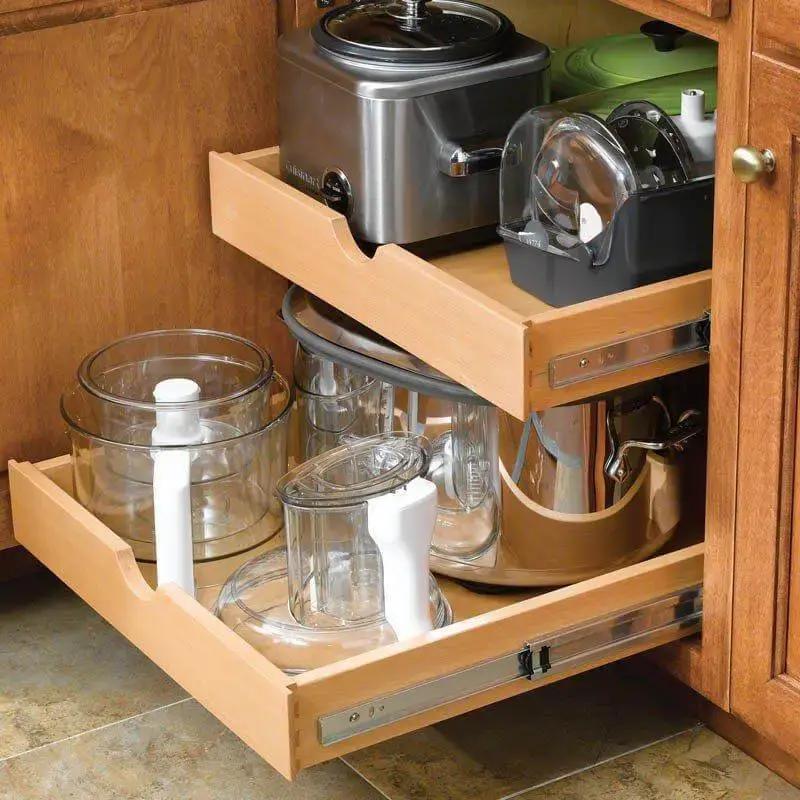
First, bottom mounting provides better weight distribution. Heavy items stored in stair drawers place downward force on the slide system, and bottom mounted slides are designed to carry this load efficiently.
Second, bottom mount slides improve stability in deep drawers. Stair storage drawers are often long and narrow, which can cause side mounted slides to flex under weight.
Third, the slides are hidden from view, creating a cleaner and more integrated appearance that suits residential and custom cabinetry.
Challenges of Installing Drawer Slides in Stair Cabinets
Stair storage cabinets differ from standard cabinets in several ways.
1. Limited and Irregular Space
The underside of stairs often creates angled or uneven cabinet interiors. Drawer slides must be installed with precise alignment to ensure smooth movement.
2. Heavy Drawer Loads
Stair drawers are commonly used to store shoes, tools, household supplies, or bulky items. This requires drawer slides with sufficient load capacity and strong structural support.
3. Deep Drawer Design
Deeper drawers increase leverage and stress on the slide system, making proper installation especially important.
How Bottom Mount Drawer Slides Solve These Problems
Bottom mount drawer slides address these challenges by supporting the drawer from below rather than relying on side walls alone. This reduces side stress and helps keep the drawer level during operation.
With proper installation, bottom mounted slides provide smooth extension, stable movement, and consistent performance even when the drawer is fully loaded.
Preparing the Cabinet and Drawer
Before installation, preparation is critical for reliable performance.
-
Check that the cabinet base is flat and strong enough to support the drawer load
-
Reinforce the cabinet floor if necessary
-
Ensure the drawer box is square and structurally solid
-
Confirm that the drawer bottom is suitable for mounting slides
Accurate measurement at this stage helps prevent alignment issues later.
Step by Step Installation Guide
1. Position the Slides on the Cabinet Base
Place the bottom mount slides on the cabinet floor, aligned parallel to the cabinet opening. Make sure both slides are positioned evenly on each side.
2. Secure the Slides to the Cabinet
Attach the slides using appropriate screws for the cabinet material. Tighten securely, but avoid overtightening, which can cause distortion.
3. Attach the Drawer Components
Fix the corresponding slide components to the bottom of the drawer. Both sides must be mounted at the same distance from the drawer front to ensure smooth operation.
4. Insert the Drawer and Check Alignment
Carefully place the drawer onto the slides and slide it in and out slowly. Check for resistance, uneven movement, or misalignment.
5. Test Under Load
Gradually add weight to the drawer and test movement again. Properly installed bottom mount slides should remain smooth and stable even when loaded.
Common Installation Mistakes to Avoid
Several issues can reduce performance if not addressed.
-
Slides not mounted parallel to each other
-
Weak cabinet base without reinforcement
-
Drawer bottom not strong enough for heavy loads
-
Uneven mounting positions on the drawer
Avoiding these mistakes helps extend the lifespan of the slide system.
Maintenance Tips for Long Term Use
To maintain smooth operation over time.
-
Keep the slide area clean and free of debris
-
Avoid exceeding the recommended load capacity
-
Periodically check mounting screws for tightness
These simple steps help ensure consistent performance in daily use.
Final Thoughts
Bottom mount drawer slides are a reliable and practical choice for stair storage cabinets, especially when drawers are deep and heavily loaded. Their ability to support weight from below improves stability, protects the cabinet structure, and delivers smoother movement.
With proper preparation and careful installation, bottom mount drawer slides can significantly enhance the usability, durability, and overall quality of stair storage solutions.