

Heavy Duty Industrial Drawer Slides for High Load Storage Systems
Industrial drawers are commonly used in machinery enclosures, workstations, tool cabinets, and automated equipment. These drawers often carry heavy components and are opened and closed repeatedly throughout the day. To maintain safety and efficiency, the slide system must deliver high load capacity, smooth movement, and long term durability. Heavy duty industrial drawer slides are designed to meet these demands in demanding working environments.
This article explains how to plan, install, and adjust heavy duty industrial drawer slides to achieve stable and reliable performance in high load applications.
Understanding Industrial Drawer Slide Requirements
Industrial environments place greater stress on drawer hardware than residential furniture. Loads are heavier, usage frequency is higher, and operating conditions may include vibration, dust, or temperature changes.
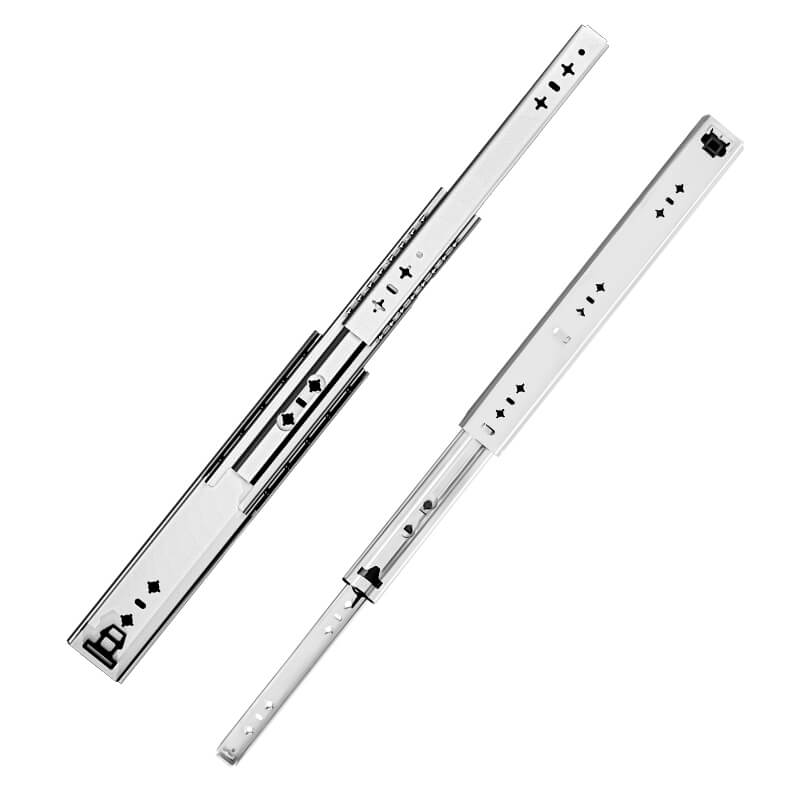
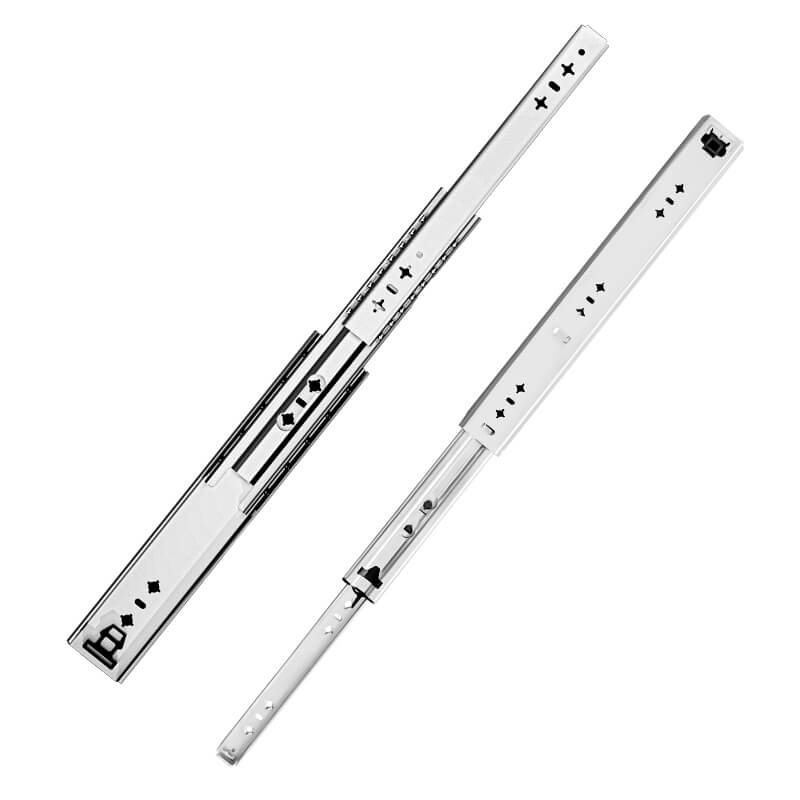
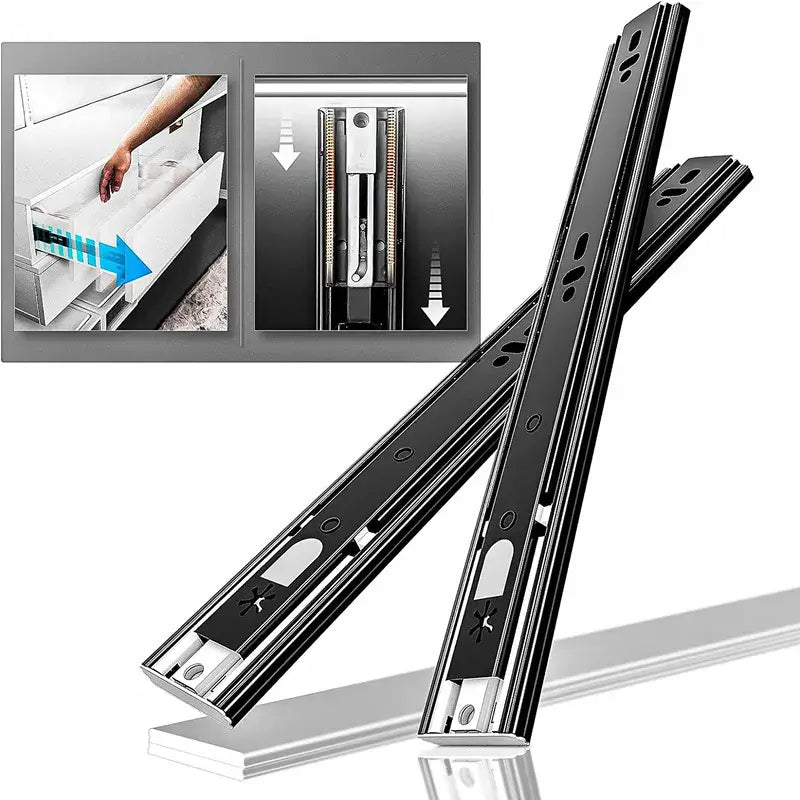
Heavy duty industrial drawer slides are built with reinforced steel construction and precision ball bearing systems. Full extension designs allow complete access to tools or components stored deep inside the drawer, improving workflow and safety.
Typical Industrial Applications
These drawer slides are commonly used in:
Industrial tool cabinets and workbenches
Machinery control enclosures
Automation and equipment drawers
Warehouse storage systems
Service and maintenance carts
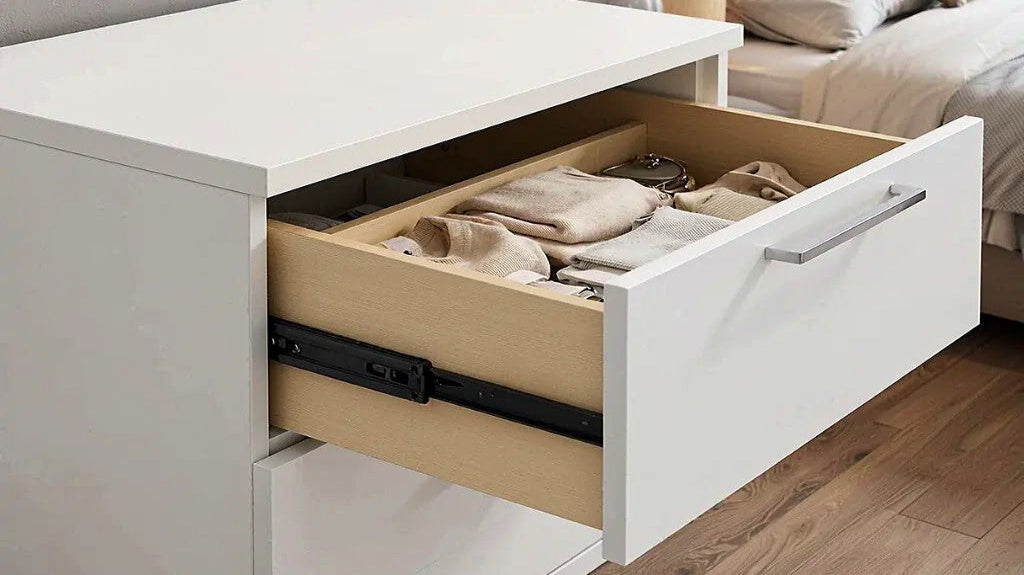
Their strength and stability make them suitable for both static and mobile installations.
Planning the Cabinet and Drawer Structure
Before installation, the cabinet and drawer design must be reviewed carefully.
The cabinet structure should be reinforced to handle the full rated load of the drawer. Side panels must be straight, rigid, and securely fixed. Drawer boxes should be built square, with strong joints and reinforced bases to prevent flexing under weight.
Proper structural planning helps prevent premature wear and alignment issues.
Preparation Before Installation
Accurate preparation ensures smooth installation and reduces adjustment work.
Measure cabinet depth and internal width precisely
Confirm required side clearance for the drawer slides
Check that mounting surfaces are level and parallel
Ensure the drawer box is square and rigid
Industrial slides are less forgiving of misalignment, especially under heavy loads.
Installing the Cabinet Side Components
Begin by mounting the cabinet side components inside the cabinet or equipment frame.
Both slides must be installed at exactly the same height and remain perfectly parallel from front to back. Use a level and measuring tools to maintain accuracy.
Secure the slides with appropriate fasteners suitable for industrial use. Tight fastening is essential to resist vibration and repeated loading.
Attaching the Drawer Side Components
Attach the drawer side components to both sides of the drawer box.
Position the slides evenly from front to back and ensure they are level. Consistent placement helps distribute load evenly across the slide system and reduces friction during extension.
Double check alignment before tightening all screws.
Inserting the Drawer and Load Testing
Carefully insert the drawer into the cabinet and engage the slide components.
Open and close the drawer several times to check smooth movement and full extension. The drawer should extend evenly without tilting, binding, or excessive resistance.
After initial testing, gradually add load to confirm stable performance under working conditions.
Adjustment and Optimization
Fine tuning may be required for optimal operation.
If movement feels stiff, check side clearance and parallel alignment
If the drawer does not extend fully, inspect rear positioning
If noise or vibration occurs, confirm all fasteners are tight
Small adjustments can significantly improve long term reliability.
Common Installation Issues in Industrial Settings
Slides mounted at uneven heights
Cabinet structures that flex under load
Drawer boxes not reinforced
Improper fastener selection
Addressing these issues early helps prevent operational downtime.
Maintenance and Long Term Performance
For industrial applications, regular inspection is recommended.
Keep slide tracks free from debris and buildup
Periodically check fasteners for loosening
Avoid exceeding rated load capacity
Inspect drawer alignment during routine maintenance
Consistent maintenance extends service life and ensures safe operation.
Final Thoughts
Heavy duty industrial drawer slides provide a reliable foundation for high load storage systems used in demanding environments. With proper planning, accurate installation, and routine maintenance, these slide systems deliver smooth full extension access, strong load support, and dependable performance for industrial and automation applications.