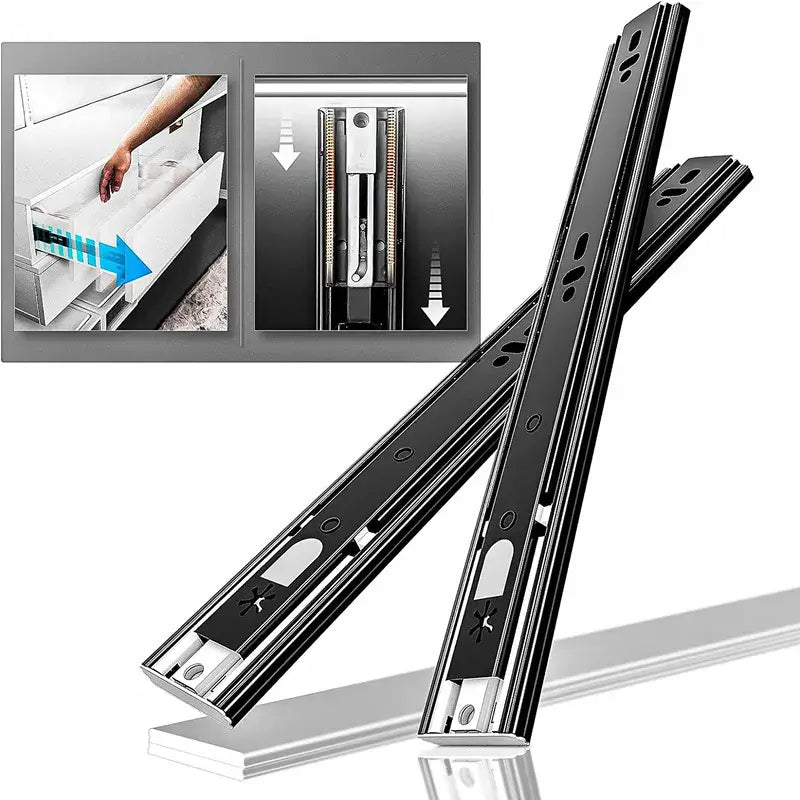
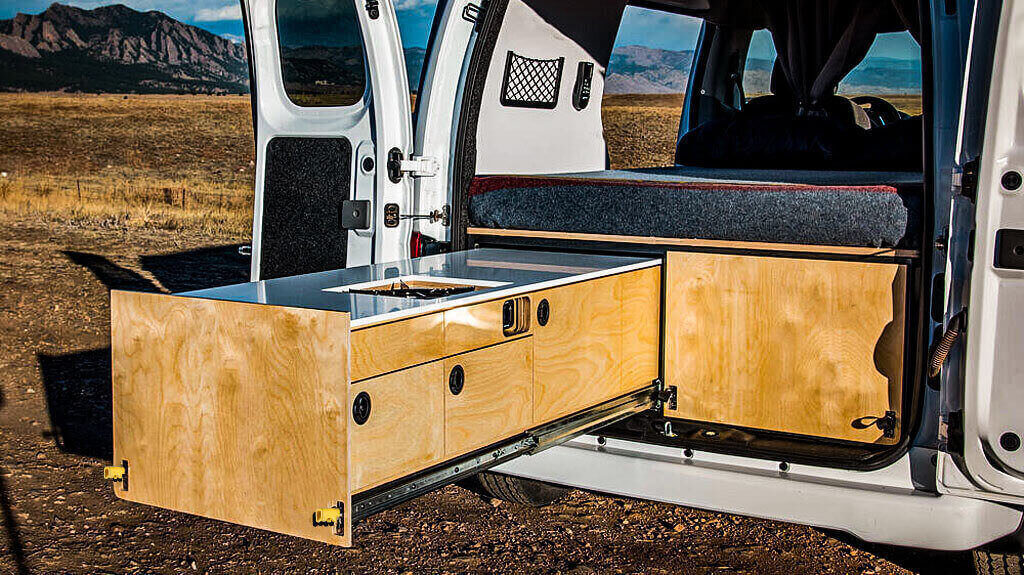

Practical Installation Guide for Stainless Steel Heavy Duty Drawer Slides
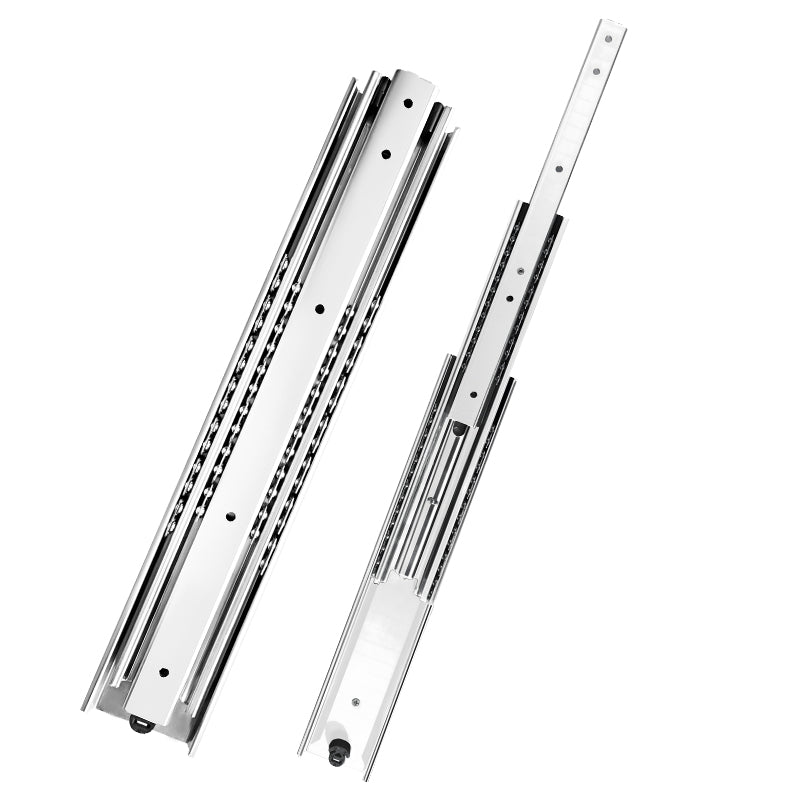
Stainless steel drawer slides are commonly used in environments where strength and corrosion resistance are equally important. In kitchens, laboratories, outdoor cabinets, and utility storage, drawers may be exposed to humidity, frequent cleaning, or heavier loads than standard furniture applications. Heavy duty stainless steel full extension drawer slides are designed to perform reliably under these conditions.
This installation focused tutorial explains the advantages of stainless steel drawer slides, common installation challenges, and correct installation practices to ensure smooth and durable performance.
Why Stainless Steel Drawer Slides Are Used in Heavy Duty Applications
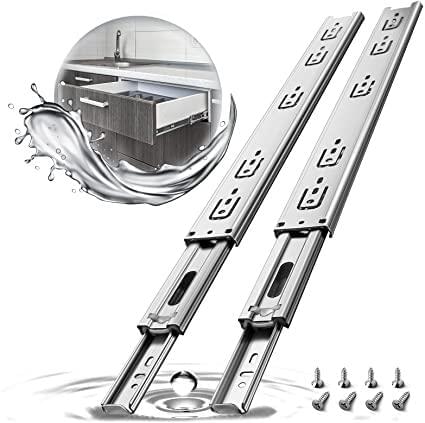
Standard steel drawer slides may rust or degrade over time when exposed to moisture. Stainless steel construction offers improved corrosion resistance, making these slides suitable for wet or humid environments.
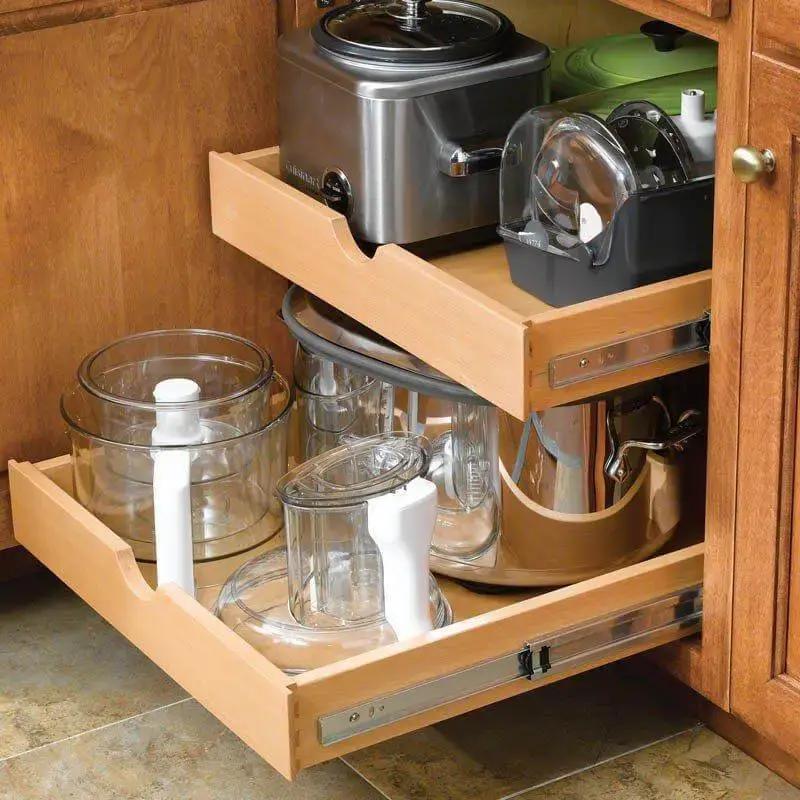
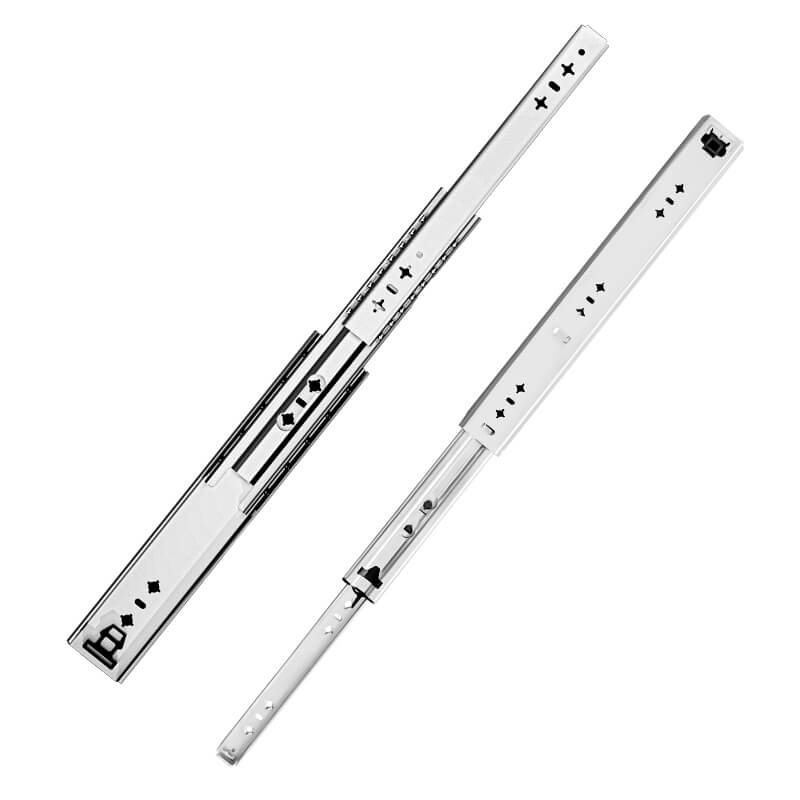
The full extension design allows complete access to drawer contents, which is especially useful for deep drawers holding tools, cookware, or equipment. Ball bearing construction ensures smooth movement even under heavier loads, improving usability and reducing wear.
Common Installation Challenges
Installing heavy duty stainless steel drawer slides requires attention to detail.
Cabinet walls must be strong enough to support both the drawer weight and the slide mechanism. Accurate alignment is essential to maintain smooth ball bearing movement. Insufficient clearance or uneven mounting can cause binding or reduced extension.
Understanding these challenges helps prevent performance issues.
Preparing for Installation
Proper preparation ensures successful installation.
Measure the cabinet opening and drawer width accurately
Confirm side clearance requirements for side mounted slides
Ensure the drawer box is square and structurally rigid
Check that cabinet surfaces are level and secure
Good preparation reduces adjustment time during installation.
Step by Step Installation Guide
1 Install the Slides on the Drawer
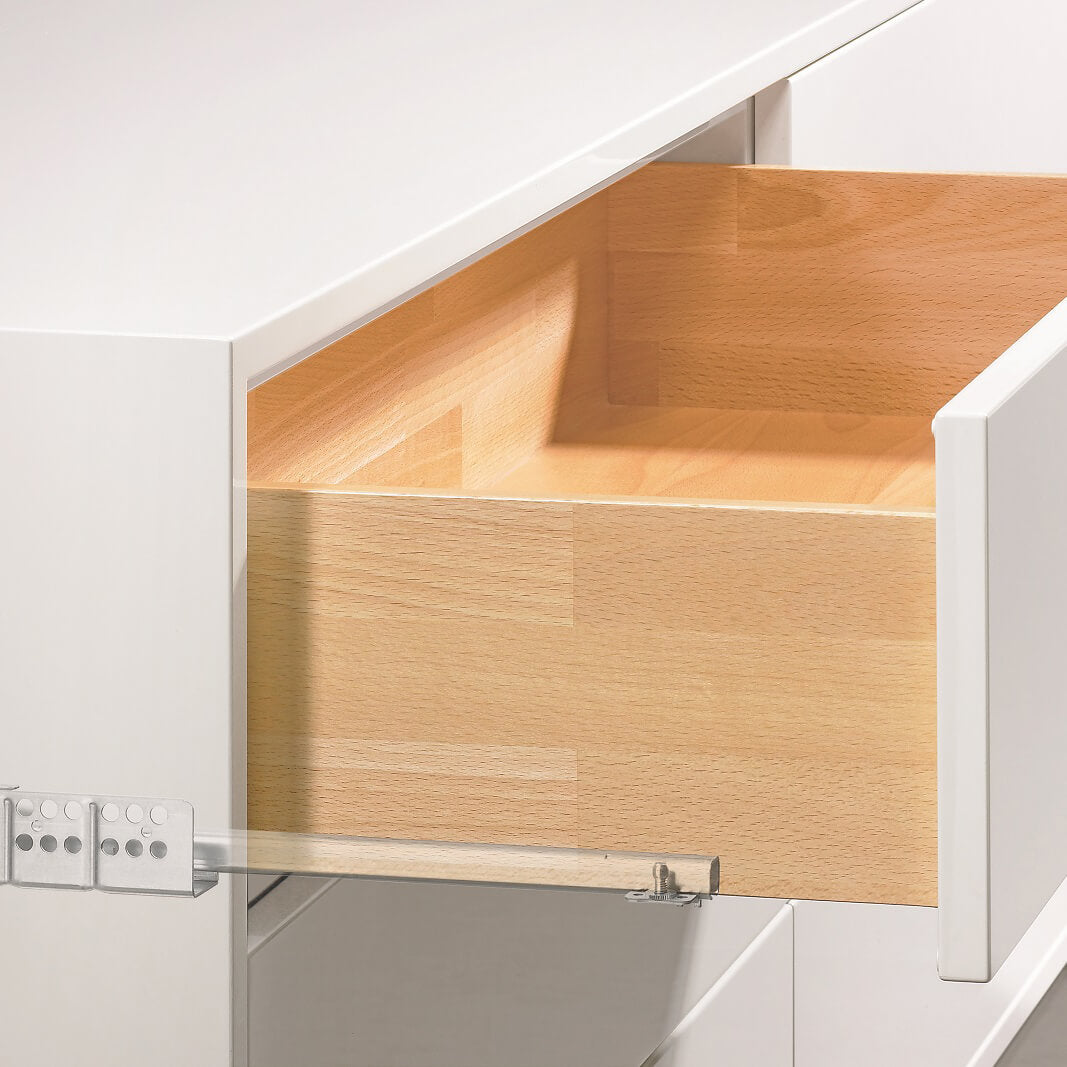
Attach the drawer side components to both sides of the drawer box. Keep them parallel to the drawer bottom and mounted at the same height.
2 Mount the Slides Inside the Cabinet
Fix the cabinet side components inside the cabinet opening. Make sure both slides are level, parallel, and aligned with the drawer slides.
3 Insert the Drawer and Test Operation
Carefully slide the drawer into place and engage the slide mechanisms. Open and close the drawer several times to check smooth movement and full extension.
4 Test Under Load
Gradually add weight to the drawer and test operation again. The drawer should move smoothly without sagging or resistance.
Common Installation Mistakes to Avoid
Slides mounted unevenly or not parallel
Insufficient side clearance
Weak cabinet mounting surfaces
Exceeding the rated load capacity
Avoiding these mistakes improves performance and extends service life.
Maintenance Tips for Long Term Use
Keep slide tracks clean from dust and debris
Periodically inspect mounting screws for tightness
Avoid sudden impacts or excessive loading
Regular maintenance helps preserve smooth operation.
Final Thoughts
Heavy duty stainless steel full extension drawer slides provide a strong combination of load support, corrosion resistance, and smooth movement. They are well suited for cabinets exposed to moisture or frequent use.
With proper preparation and correct installation, these drawer slides deliver reliable performance, improved accessibility, and long term durability across a wide range of storage applications.